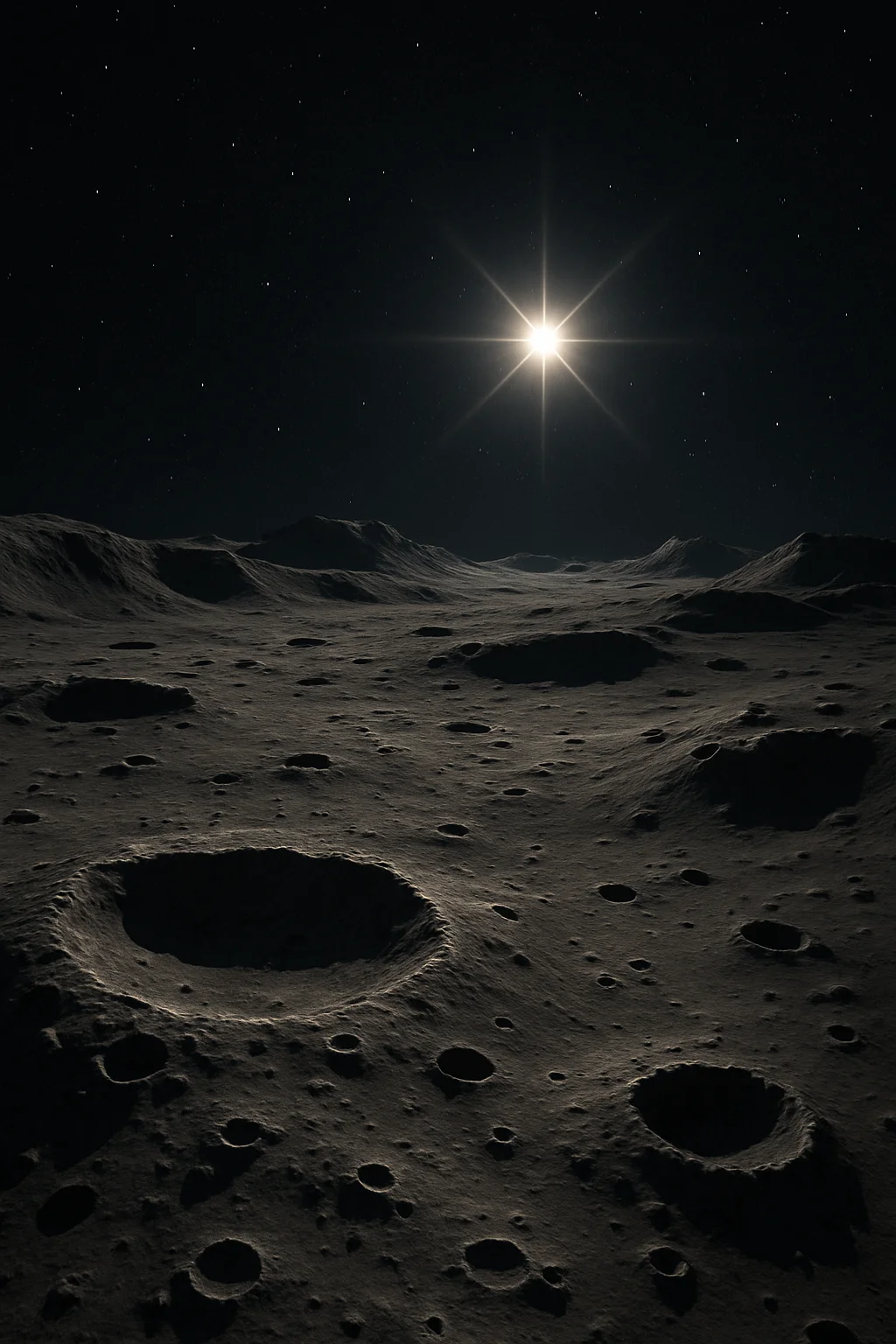
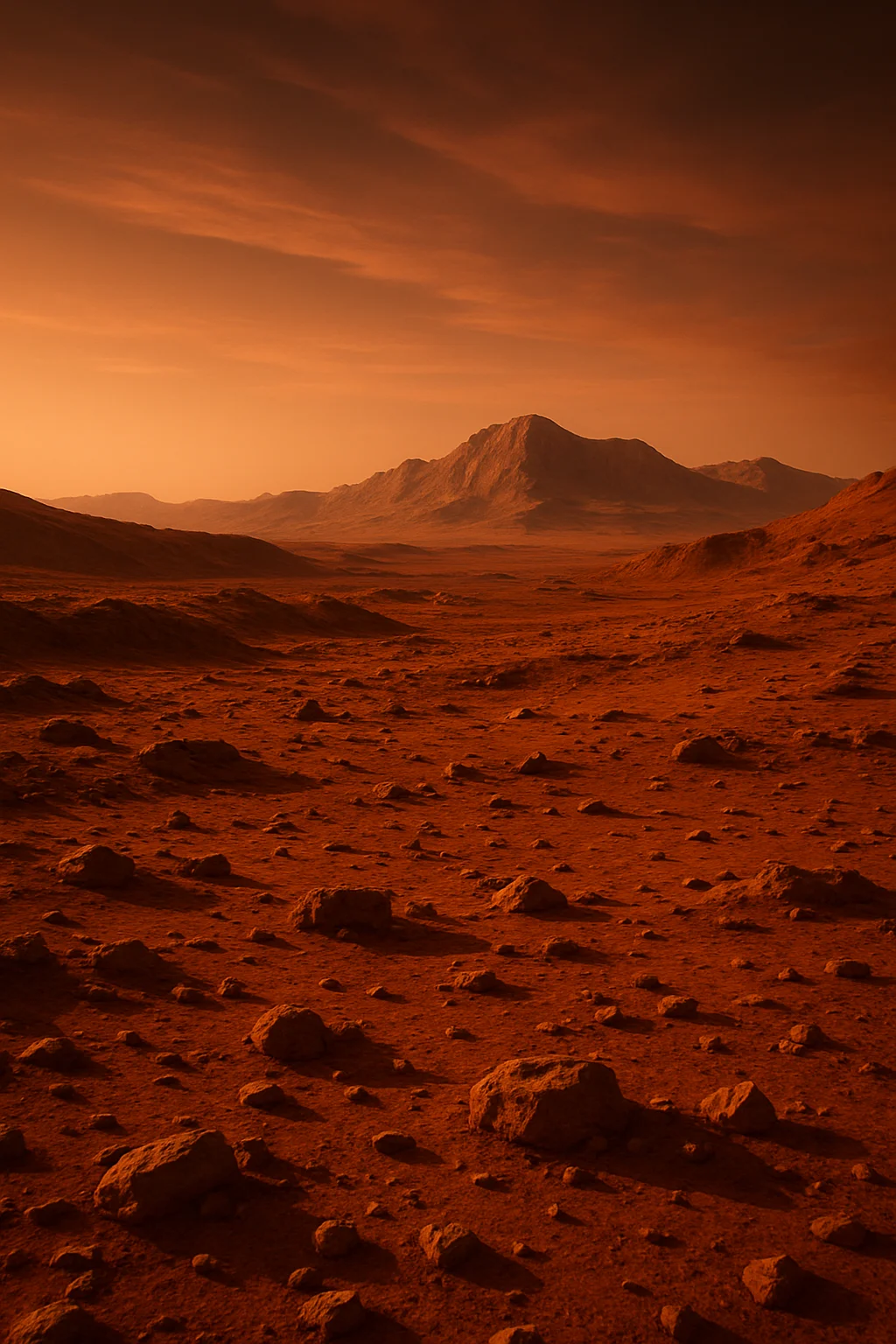
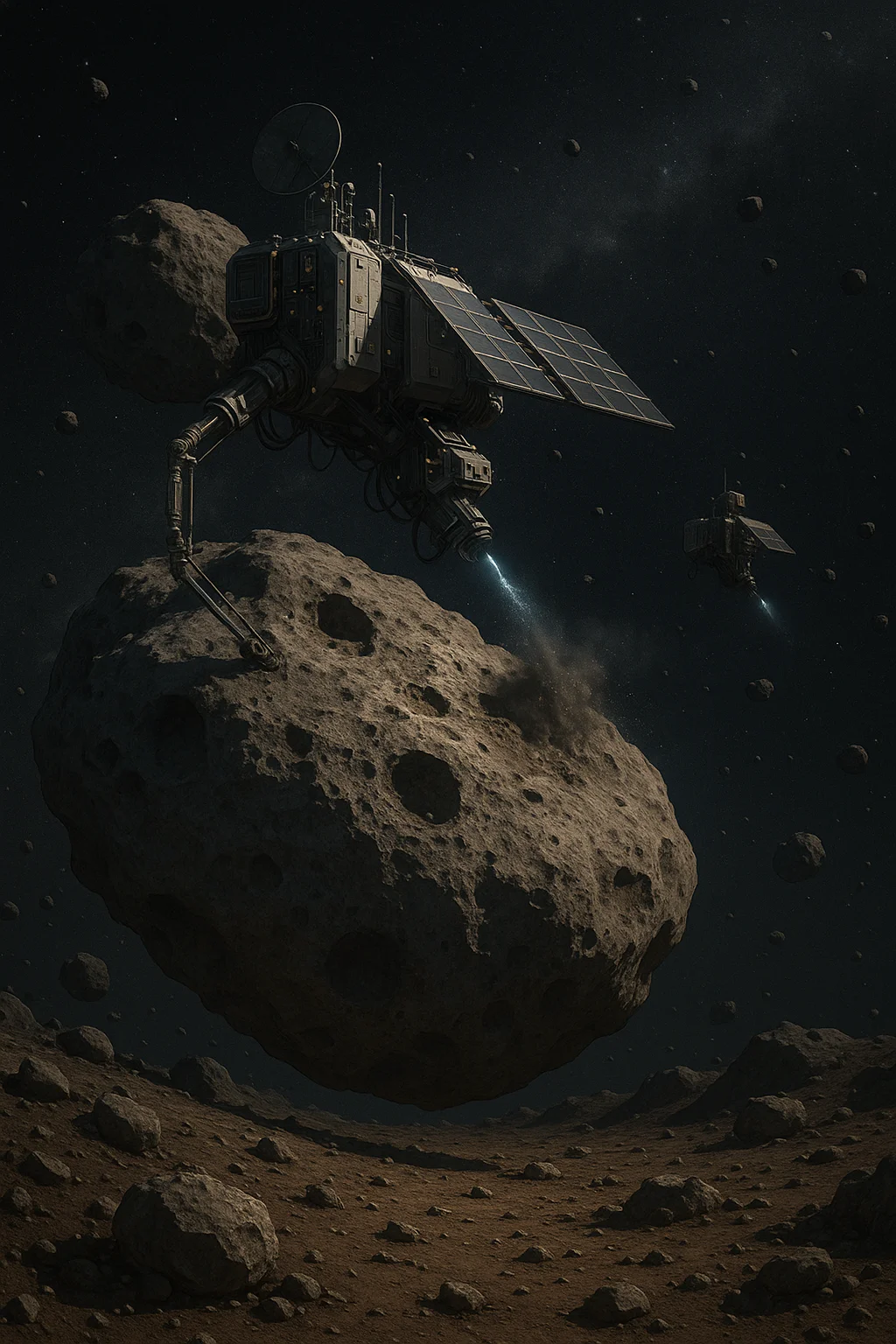
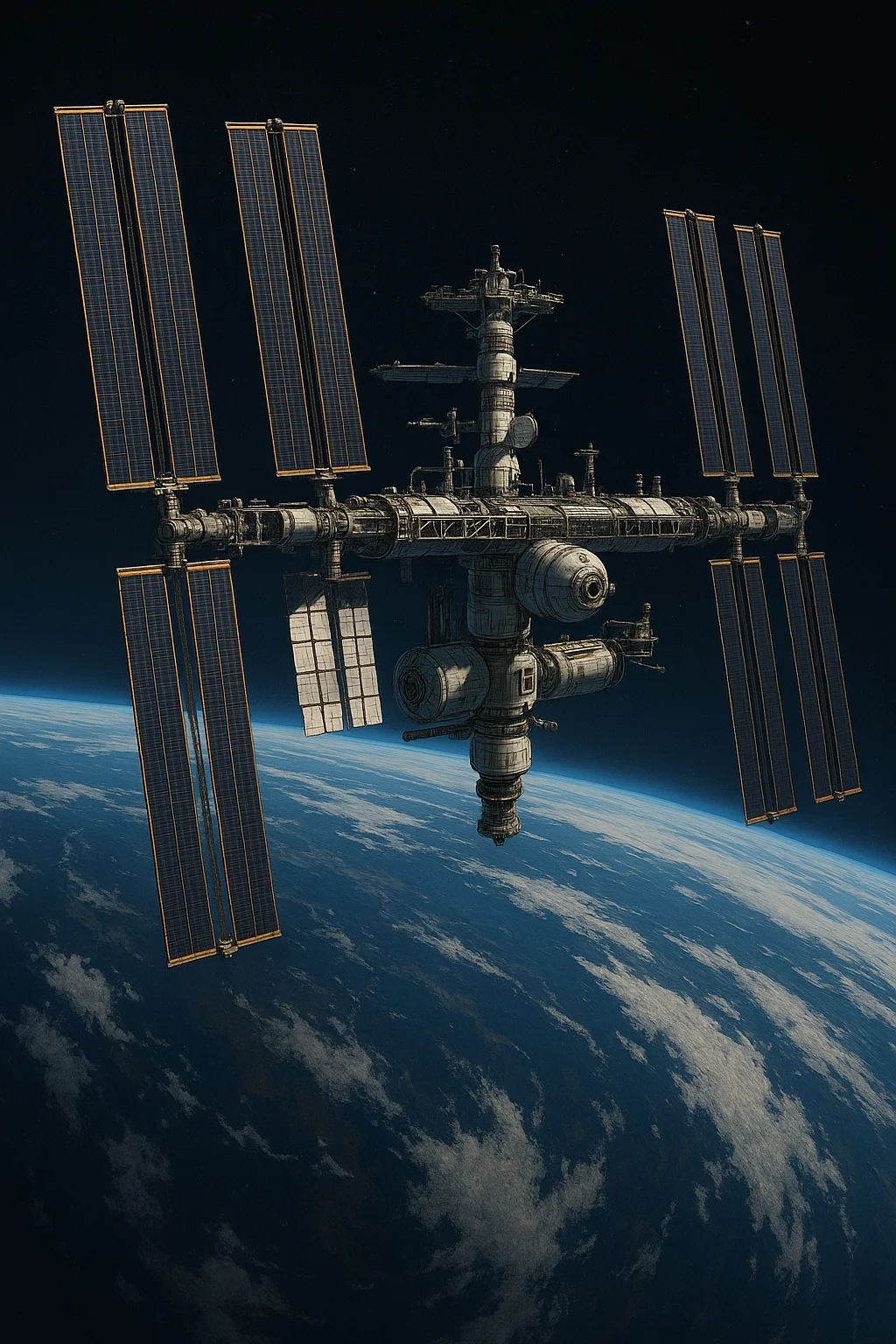
The "Destinations" section of Starliner.net tracks the places in the Solar System where humans and robots are actually working today, and where agencies and commercial operators are heading in the decade ahead. Four categories cover nearly everything that currently matters: the Moon, Mars, near-Earth asteroids, and orbital habitats.
Each destination below has its own deep article with mission history, current programmes, and open engineering questions. The short summaries on this page are a map, not a substitute.
Why these four destinations
Most near-term crewed activity falls into one of four overlapping categories. The Moon is the first place humans will have been back to in over half a century, and the site of the first sustained off-Earth base programme. Mars is the first body beyond Earth's orbit where a crewed expedition is being seriously engineered, not just studied. Near-Earth asteroids are the simplest targets for automated resource extraction and some of the easiest deep-space science missions to justify per dollar. Orbital habitats — from the International Space Station to new commercial platforms — are where the crewed economy in space is actually being assembled, one docking at a time.
Other places matter — Europa, Titan, Venus, the Sun — and they belong almost entirely to uncrewed exploration. Eight second-tier destinations with their own full articles appear further down this page.
Uncrewed destinations
The next tier of destinations covers where robotic spacecraft — not humans — are currently doing the serious work. Some of these are the most interesting places in the Solar System for astrobiology or planetary physics; none of them are survivable by crews on any realistic horizon. Each has its own full article.
- Venus — the hellish twin, and why DAVINCI, VERITAS, and EnVision are going back.
- The Jupiter System — the giant planet and its four strange Galilean moons.
- Europa — the ocean moon, and Europa Clipper's flight plan.
- Saturn and Titan — the rings, and the only moon with stable surface liquids.
- Enceladus — a small moon spraying its ocean into space.
- The Sun — heliophysics, Parker Solar Probe, and space weather.
- Comets and the Kuiper Belt — the Solar System's cold archive, and Comet Interceptor.
- Lagrange Points — where JWST, SOHO, and the Gateway's NRHO actually sit.
How to read the "Now" section
Articles in /now/ describe programmes that are funded, staffed, and being built. Where a date is given, it is the target of the programme that set it, not a prediction; schedules slip, hardware is retired, new vehicles arrive. We update these pages when those things happen and record the date on the last reviewed line at the bottom of each article.
For the theoretical physics and speculative engineering that would be needed to go much further — interstellar travel, terraforming, megastructures — see the Beyond section. For original science fiction set in a future where those ideas have been worked out, see the Library. New to the vocabulary? The glossary defines the acronyms and terms that recur across these articles.
Last reviewed on 2026-04-24.