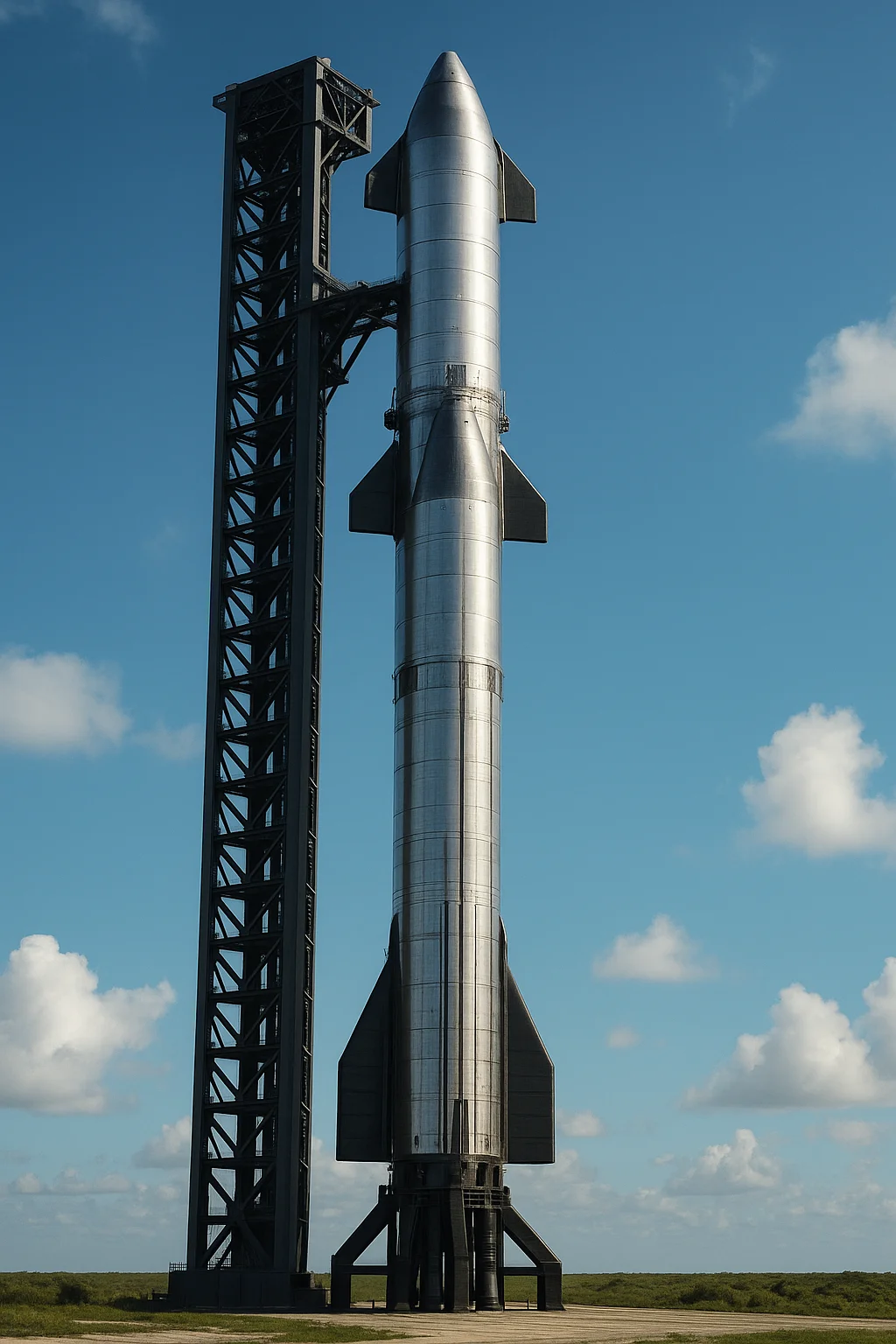
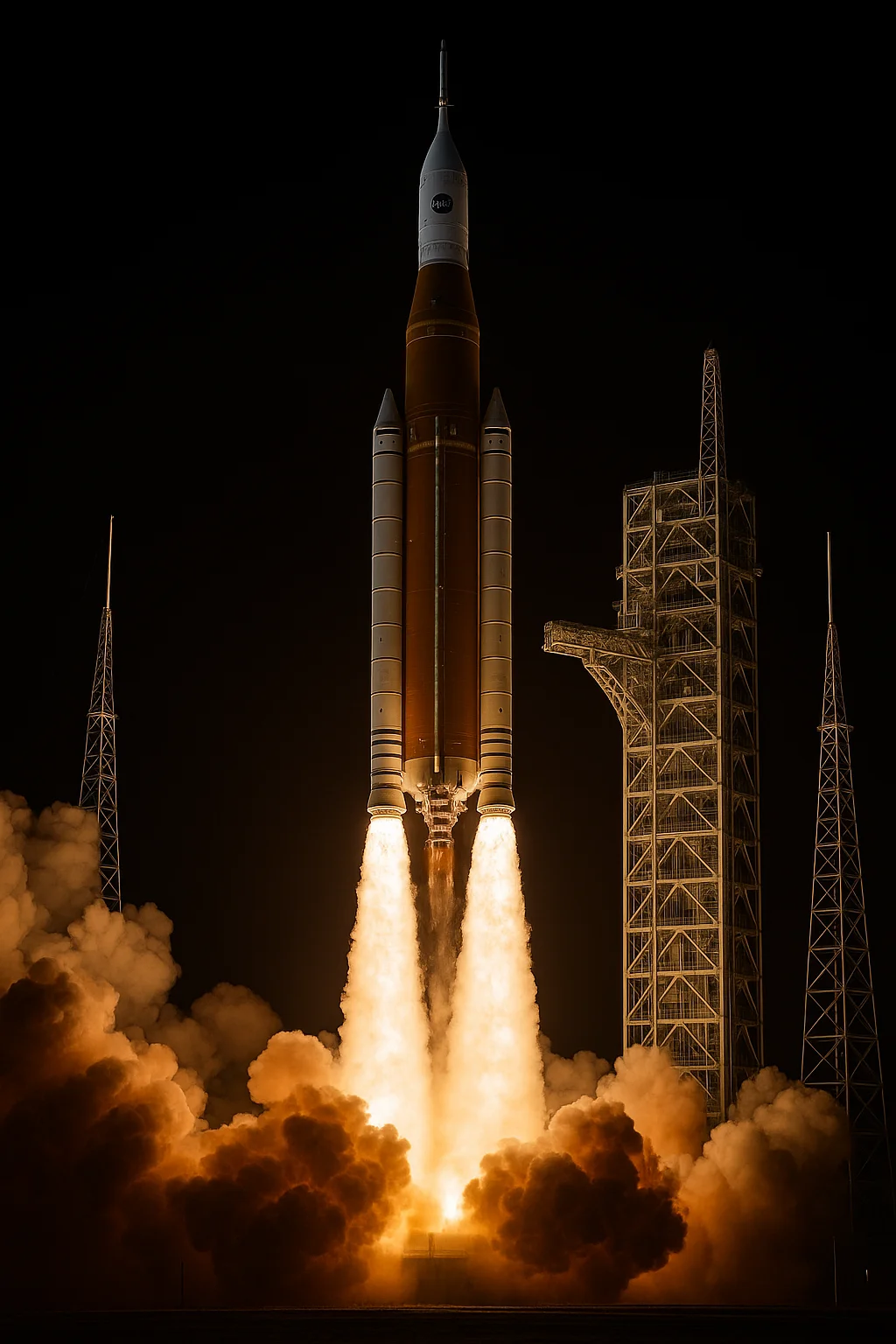
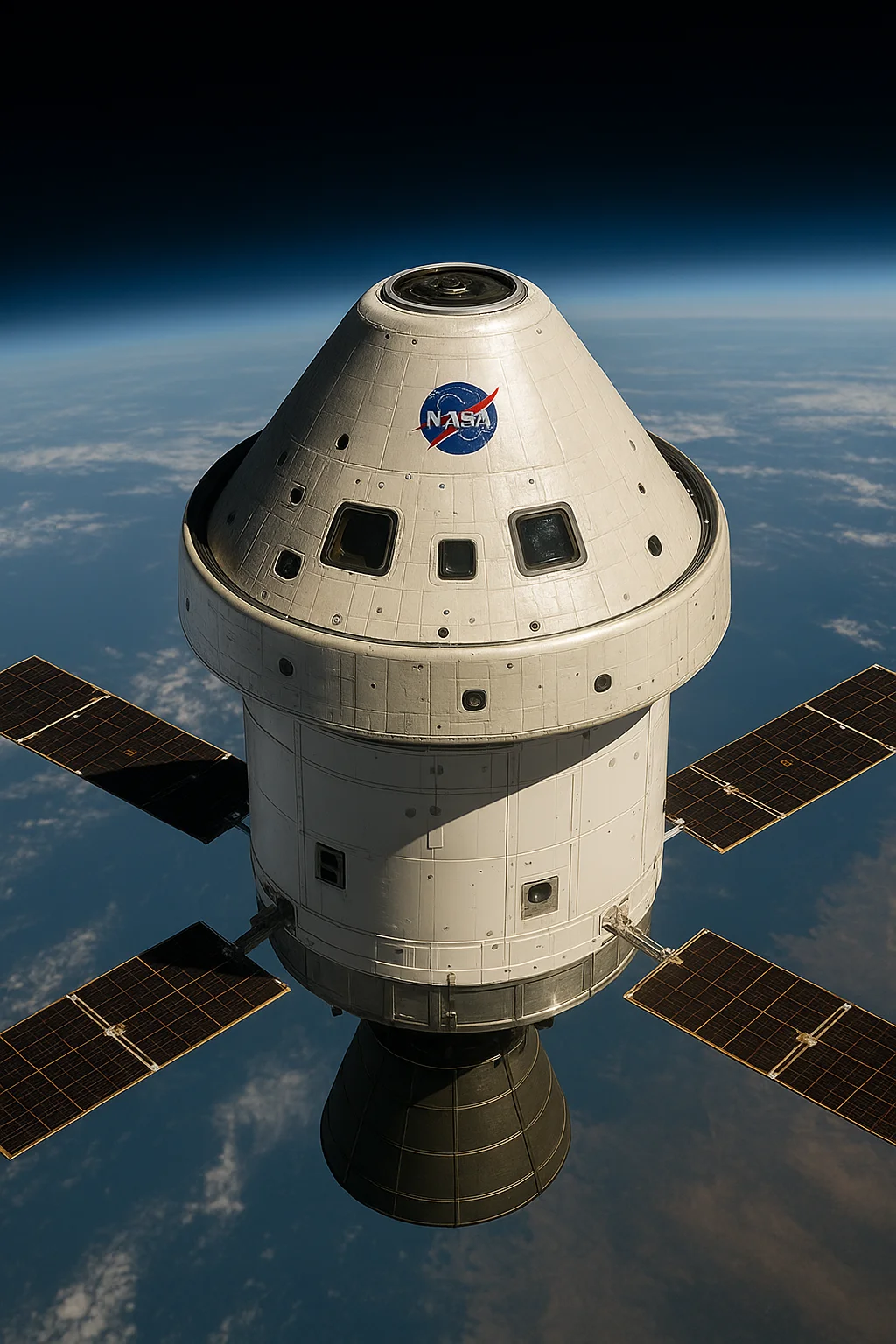
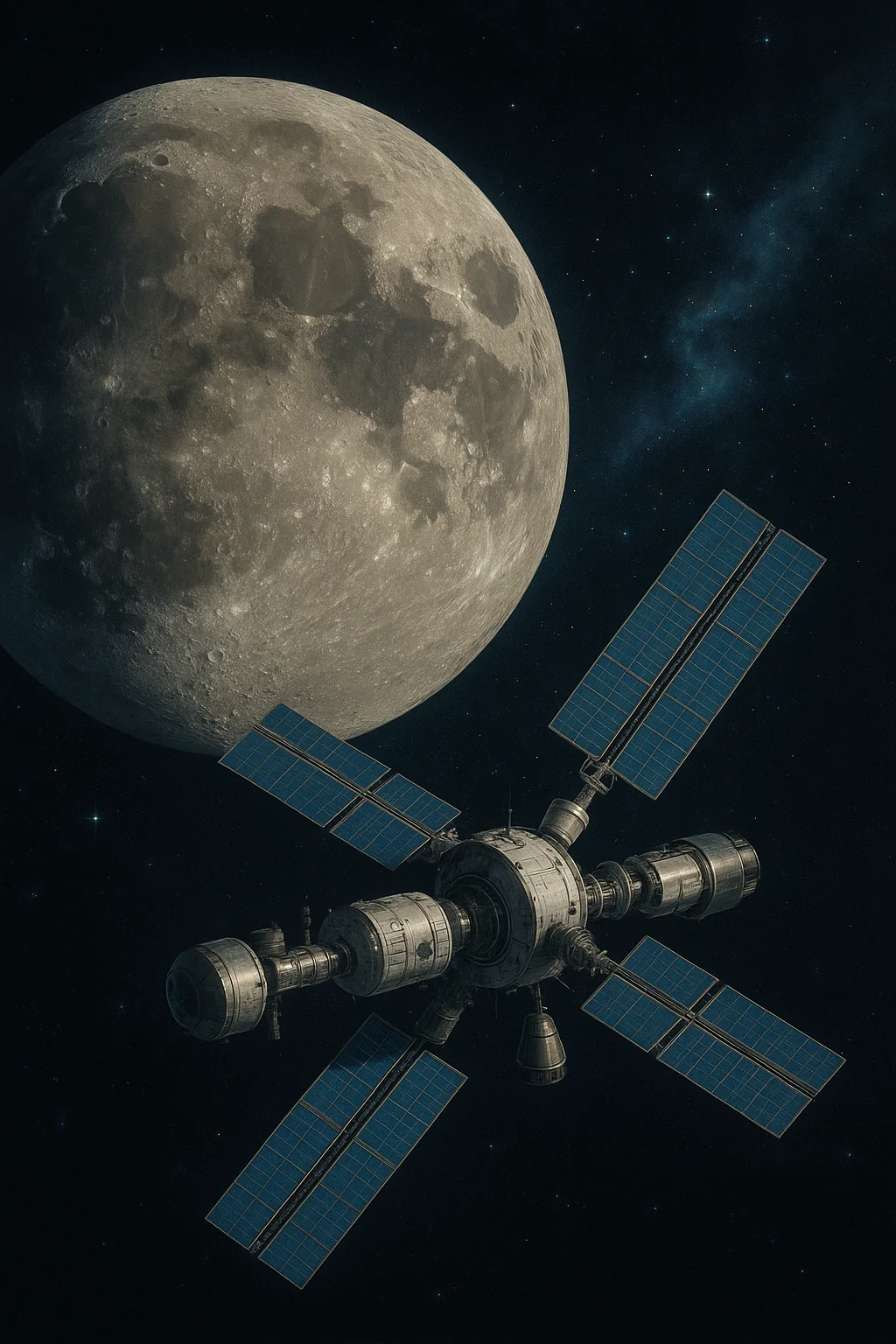
Starliner.net tracks the hardware carrying people and payloads off Earth. The list below gathers the four vehicles and platforms that dominate the current decade of crewed and deep-space exploration: SpaceX's Starship, NASA's Space Launch System, the Orion crew capsule, and the Lunar Gateway station.
Some of these are flying. Some are still being integrated. Two are built around completely different philosophies of how to reach the Moon, and both are being used. The combination is the single most interesting thing in launch engineering today.
Why these four vehicles
Taken together, the four below cover every stage of the current lunar architecture. Starship is the heavy-lift, fully reusable workhorse that has shifted the cost curve of mass-to-orbit. SLS is the super heavy-lift vehicle that carries Orion on the first crewed lunar flights of the Artemis era. Orion is the crew capsule rated for deep-space return and lunar-orbit operations. The Lunar Gateway is the small station in a near-rectilinear halo orbit around the Moon that connects Orion arrivals with surface-bound landers.
These four are not the only vehicles that matter. Falcon 9, Dragon, Soyuz, Shenzhou, Long March 10, New Glenn, Vulcan, and a new generation of lunar landers all play roles. The page you are reading is a focused overview of the hardware most directly associated with the return to the Moon; other vehicles are covered where they appear in the Missions timeline.
The two architectures
Two very different philosophies are on display in the hardware above. Starship represents full reusability: very large numbers of identical, cheap, methalox-fuelled vehicles, each flying many times, cross-subsidised by an enormous satellite-launch business. SLS and Orion represent the older tradition: a small number of exquisitely engineered one-use vehicles, derived from Shuttle-era heritage, flown rarely, and optimised for the single mission of placing humans safely in deep space.
Both approaches are being used for Artemis. Orion travels to lunar orbit on SLS. From there, in the current architecture, astronauts transfer to a Starship variant that serves as the human landing system and returns them to lunar orbit. It is an unusual marriage, but it is a marriage that allows each vehicle to do what it does best.
Propulsion choices
Propulsion drives almost every other design decision for these vehicles. Starship uses methalox because methane is relatively easy to synthesise from water and carbon dioxide — useful on Mars, where both are abundant. SLS uses hydrolox on its core stage for high specific impulse, paired with solid rocket boosters for raw sea-level thrust. Orion's service module uses hypergolic propellants chosen for reliability in the multi-week lunar cruise. None of these choices are wrong; they are answers to different questions.
If the physics of propulsion itself is what interests you, the speculative-propulsion article on Faster-Than-Light travel covers the theoretical side. For concrete, currently-flying systems, stick with the pages above.
The wider technology stack
The four vehicles above are the headline hardware of the Artemis era, but the working spaceflight ecosystem is much larger. The pages below cover the rest of the stack — launchers, crew vehicles, propulsion families, suits, and the ground-side infrastructure — each with its own full article.
New to the vocabulary? The glossary defines delta-v, ISRU, NRHO, Hohmann transfer, and 35 other terms that recur across these articles.
Last reviewed on 2026-04-24.